
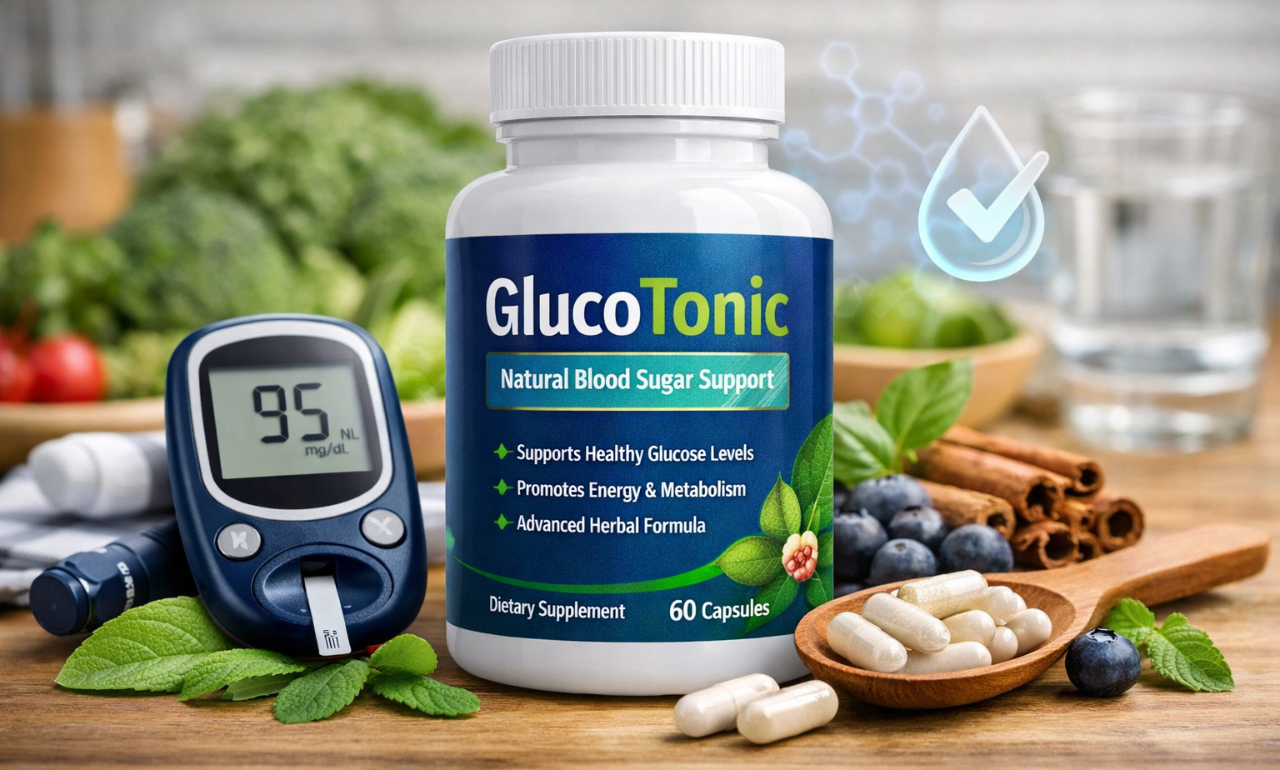
If you’ve been Googling how to control blood sugar fast without relying solely on prescription drugs, you’ve probably come across Glucotonic. This is one of the most talked about natural blood sugar support supplements on the market right now – and with good reason. Managing blood sugar isn’t just about avoiding sugar in your coffee; It is also about understanding how to regulate it effectively. It’s a daily, sometimes exhausting balancing act that affects your energy, your mood, and your long-term health. This article offers a clear and honest assessment of what Glucotonic is, what it actually contains, and whether it is worth your attention.
What Is GlucoTonic?
Glucotonic is a dietary supplement formulated to support healthy blood sugar levels using a blend of plant-based ingredients, vitamins, and minerals. It is marketed primarily to people who are pre-diabetic, insulin-resistant, or struggling with a lack of energy and sugar cravings throughout the day.
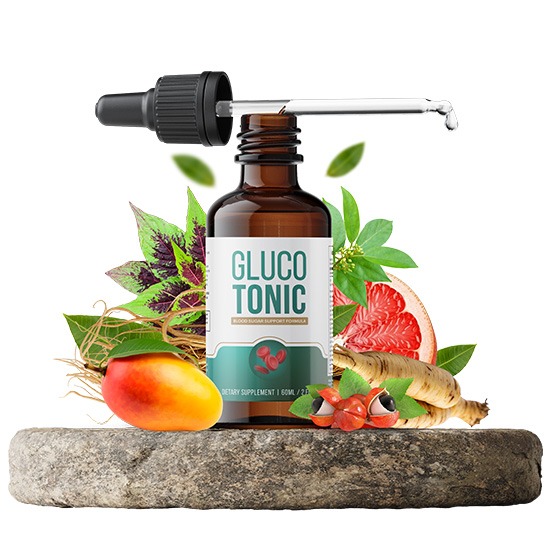
It comes in capsule form and is designed to be taken daily with a balanced diet – not as a replacement for medical treatment, but as a complementary support tool.
Let’s be clear from the outset: Glucotonic is not a drug, and it does not claim to cure or treat diabetes. Its purpose is to provide your body with nutritional compounds that research shows can support glucose metabolism, insulin sensitivity, and overall metabolic health.
Who Is GlucoTonic Designed For?
Not everyone needs a blood sugar supplement. But there are some situations where a product like Glucotonic becomes relevant:
- Pre-diabetes patients look for lifestyle-support tools beyond diet changes
- People with insulin resistance who experience a persistent drop in energy after meals
- Patients with type 2 diabetes (under medical supervision) are looking for supplemental support
- Health-conscious individuals who want to maintain stable blood sugar as a preventive measure
- Anyone experiencing sugar cravings, mood swings, or unexplained fatigue associated with blood sugar fluctuations

If you fall into any of these categories, understanding what Glucotonic has to offer becomes really useful – and not just marketing noise.
Key Ingredients in GlucoTonic and What the Science Says
This is where things get practical. Let’s take a look at the key ingredients and why they matter.
1. Berberine
Berberine is arguably the most well-researched plant compound for blood sugar regulation. This activates an enzyme called AMPK, sometimes called the “metabolic master switch”. Several clinical studies have shown that berberine can lower fasting blood glucose and improve insulin sensitivity, comparable to metformin in some trials, although with a different mechanism.
Why it matters: It directly supports how your cells respond to glucose.
2. Chromium Picolinate
Chromium is a trace mineral that plays a direct role in insulin signaling. Without enough chromium, insulin becomes less effective at moving glucose from the bloodstream into cells. Many people with blood sugar problems become chromium-deficient without knowing it.
Why it matters: It helps insulin do its job more efficiently.
3. Cinnamon Bark Extract
Cinnamon is not just a spice. Extracts – particularly from Ceylon cinnamon – contain compounds that mimic insulin activity and slow the absorption of carbohydrates in the digestive tract. This means a slower, more manageable rise in blood sugar after meals.
Why it matters: It helps regulate blood sugar fast after eating, which is when most spikes happen.
4. Bitter Melon Extract
Bitter melon, used for centuries in Ayurvedic and traditional Chinese medicine, contains compounds called chorantin and polypeptide-P, which have insulin-like properties. Modern research supports its role in improving glucose tolerance.
Why it matters: It adds another layer of glucose metabolism support, particularly for post-meal sugar management.
5. Alpha-Lipoic Acid (ALA)
ALA is a powerful antioxidant that also improves insulin sensitivity and helps reduce oxidative stress, which is increased in people with chronically high blood sugar. It is one of the few antioxidants that works in both water- and fat-soluble environments in the body.
Why it matters: It protects cells from blood sugar-related damage while supporting metabolic efficiency.
6. Gymnema Sylvestre
This herb has a fascinating mechanism – it temporarily reduces the ability of taste receptors to detect sweetness, which can reduce sugar cravings. Additionally, gymnema appears to support the regeneration of insulin-producing cells in the pancreas.
Why it matters: It addresses both the behavioral (cravings) and physiological (insulin production) sides of blood sugar management.
How GlucoTonic Works: The Practical Picture
Glucotonic does not work overnight. It is important to understand this in advance. What it does – when used consistently with a proper diet – supports the underlying systems your body uses to manage glucose.

Think of it this way: Your blood sugar management system is like a car engine. If you’re constantly running it on bad fuel, skipping maintenance, and ignoring warning lights, no amount of supplements will fix that. But if you’re doing the basics right – eating a balanced diet, staying reasonably active, getting enough sleep – a supplement like Glucotonic can work like quality engine oil. It doesn’t replace fuel, but it keeps things running more smoothly.
Typical timeline based on user reports:
- Week 1–2: Some reduction in sugar cravings; minor energy stabilization
- Week 3–4: More consistent energy throughout the day; fewer post-meal crashes
- Month 2+: Noticeable improvement in fasting glucose levels (for those monitoring at home)
Pros and Cons of GlucoTonic
| Pros | Cons |
| Uses clinically studied ingredients | Results vary by individual |
| No artificial fillers or stimulants | Not a substitute for medication |
| Supports multiple aspects of glucose metabolism | Requires consistent use (30–90 days) |
| Plant-based and generally well-tolerated | Not recommended during pregnancy |
| Addresses cravings, not just blood sugar numbers | Cost may add up in the long term |
Common Mistakes to Avoid When Taking GlucoTonic
1. Expecting immediate results. Blood sugar problems develop over the years. Meaningful improvement takes not days but weeks or months.
2. Using it as an alternative to medicine. If you are taking prescribed diabetes medication, never change or reduce it based on supplements. Always consult your doctor first.
3. Ignoring diet. Glucotonic is a support tool, not a bypass. If your diet is high in refined carbs and added sugars, no supplement will fully compensate.
4. Inconsistent use. Taking it for a few days and leaving it for a few days reduces its effectiveness. The ingredients – especially berberine and chromium – build up and work over time.
5. Not monitoring your blood sugar. If you’re using Glucotonic to help with blood sugar management, really track your numbers. That’s the only objective way to know if something is working or not.
Is GlucoTonic Safe?
For most healthy adults, the ingredients in GlucoTonic have a solid safety profile. That said:
- Berberine may interact with certain medications, including antibiotics and blood thinners
- Chromium in high doses over long periods requires caution
- People with liver or kidney problems should consult a physician before use
- Pregnant or lactating women should avoid it
Always read labels, respect recommended dosages, and if you’re managing a diagnosed condition, check with your healthcare provider before adding any supplements to your routine.
FAQ: GlucoTonic and Natural Blood Sugar Support
Q1: Can Glucotonic replace my diabetes medicine? No, Glucotonic is a dietary supplement, not a medicine. It should never take the place of prescribed medication. It can be used as a supplemental support measure under medical guidance.
Q2: How quickly does Glucotonic control blood sugar? Some users notice reduced cravings and more stable energy within the first two weeks, but meaningful blood sugar changes typically take 4-8 weeks of consistent use.
Q3: Can I take Glucotonic if I do not have diabetes? Yes. Many people, even without a diagnosis,s use it preventatively or to manage energy fluctuations, weight gain, and sugar cravings.
Q4: Are there any side effects? Some people experience mild digestive discomfort initially, especially due to berberine. Starting with a low dose and taking it with food may help. Serious side effects are uncommon.
Q5: How should I take Glucotonic for the best results? Follow label directions – usually one to two capsules with meals. Consistency for 60-90 days with a balanced diet and regular activity gives the best results.
Q6: Where can I buy Glucotonic? Glucotonic is usually available through the official manufacturer’s website. Purchasing from an official source reduces the risk of counterfeit products and often includes a money-back guarantee.
Conclusion: Is GlucoTonic Worth It?
Glucotonic stands out as a natural blood sugar support supplement because it doesn’t rely on any one magic ingredient. It combines berberine, chromium, cinnamon, bitter gourd, ALA, and Gymnema sylvestre – each with its own well-studied mechanisms – into a formula that addresses blood sugar regulation from multiple angles.
This is not a miracle, and it should not be sold as a miracle. But for the person who is making real changes to their lifestyle and wants additional nutritional support, Glucotonic offers a research-backed, reasonably well-tolerated option that is worth considering.
If you’re managing blood sugar — whether actively or as part of a diagnosed condition — talk to your doctor, keep track of your numbers, eat mindfully, and consider whether a supplement like Glucotonic fits into your broader health strategy. The best results always come from a whole-system approach, not a single pill.